Our Team
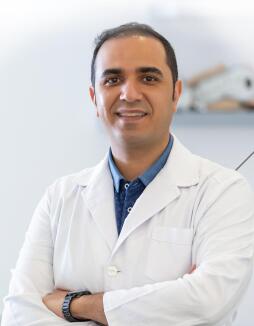

Physiatrist
Shayesteh S.K. Soltani
S. Salman K. Soltani
Sports Medicine Specialist
Exercise Therapist
Fatemeh Sameie
Sama Ghiami
Executive Manager
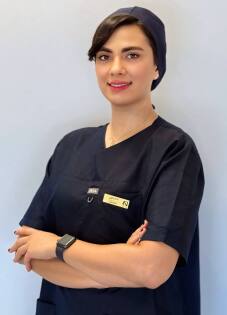
Parastoo Bagheri Zadeh
Exercise Therapist
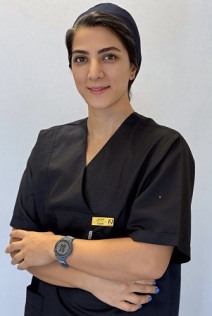


Biofeedback Therapist
Nazhin Jamaleddin
Receptionist
Zohreh Shokr Zadeh
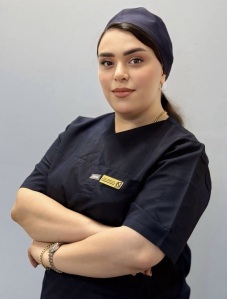
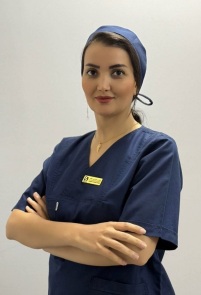
Atefeh Dadkhah
Assistant
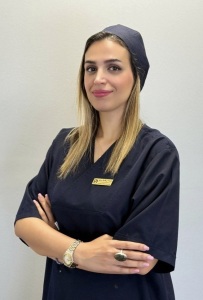
Receptionist
Mahshid Koushki
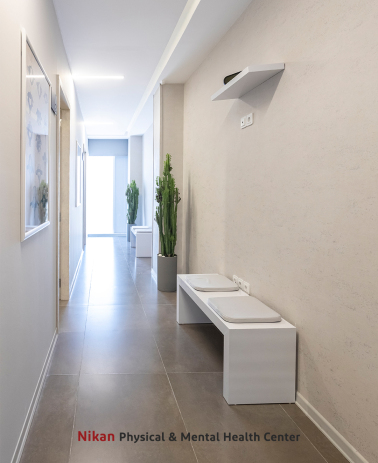

Botox Injection

Mental Recovery

Physiotherapy
Specialist Consultation

Our services

Specialized MSK Injections

Physical Recovery


Home Physiotherapy
Home physiotherapy is one of the most important and beneficial services for individuals who, for various reasons, are unable to visit medical or rehabilitation centers.
This type of physiotherapy allows patients to receive professional treatment in the comfort and familiarity of their own home, benefiting from advantages such as convenience, time efficiency, and reduced stress.
Who Can Benefit from Home Physiotherapy?
Post-surgery patients:
Individuals recovering from surgery who require rehabilitation and guided movement therapy.
Patients with chronic conditions:
Those living with chronic illnesses such as arthritis, Parkinson’s disease, or multiple sclerosis (MS) who need ongoing physiotherapy care.
Elderly individuals:
Seniors with mobility difficulties who find it challenging to travel to a clinic.
Patients with sports injuries:
Athletes or active individuals who have sustained injuries and require rehabilitation at home.
Benefits of Home Physiotherapy
Home physiotherapy can enhance the patient’s quality of life, accelerate the recovery process, and promote independence and comfort during rehabilitation.

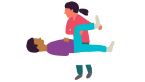
Specialist Assessment & Consultation
At Nikan Rehabilitation and Pain Clinic, we believe that accurate diagnosis is the key to effective treatment.
Our team of expert physicians and rehabilitation specialists provides personalized, evidence-based care for pain management, physical therapy, and recovery after injury or surgery.
We focus on safe, minimally invasive, and cost-effective methods to help each patient regain mobility, reduce pain, and return to an active life.
Book a consultation today to receive a professional assessment and a treatment plan tailored to your needs.
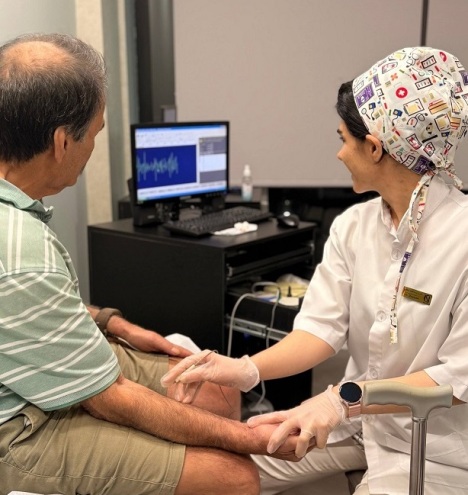
Nerve Conduction Study and Electromyography (EMG–NCS)

Nerve Conduction Study and Electromyography (EMG–NCS) is a specialized diagnostic test used to evaluate the health and function of peripheral nerves and muscle fibers.
This test records the electrical signals generated by nerves and muscles and converts them into graphs and measurable data, helping physicians accurately diagnose a wide range of neuromuscular disorders.
One of the most common uses of EMG–NCS is to identify nerve compression caused by a herniated disc.
It is also highly effective in diagnosing the cause, location, and severity of symptoms such as:
Persistent pain in the arms or legs
Numbness or tingling (paresthesia) in the hands or feet
Muscle weakness or reduced coordination
The duration of the test depends on the area being examined and the physician’s request.
An EMG–NCS session typically lasts between 45 minutes and 2 hours.
In some cases, to avoid fatigue for the patient and the specialist, the test may be performed in two or more sessions.
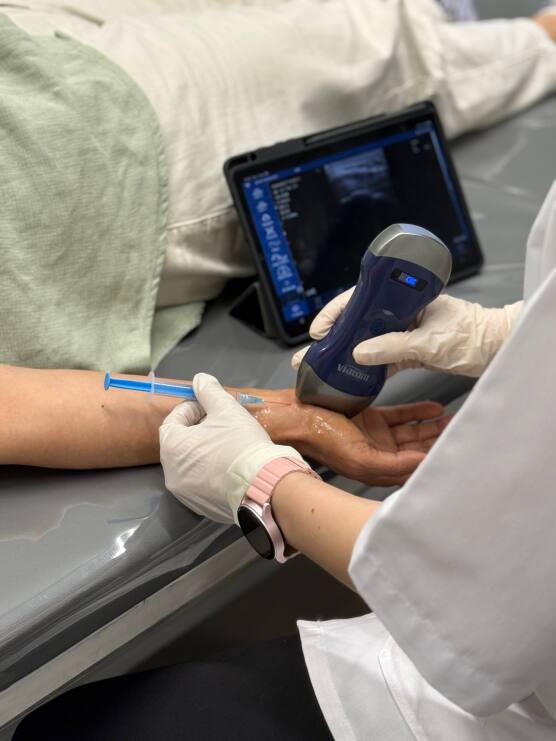
One of the advanced therapeutic approaches used by specialists in the field of musculoskeletal injuries is targeted injection therapy — the precise delivery of medication directly to the injured or inflamed area.
This technique significantly enhances the effectiveness of treatment by ensuring that the active substance reaches the exact site of tissue damage.
The type and number of injections vary depending on the patient’s condition, diagnosis, and medication used — all determined by your treating specialist after clinical evaluation.
Among the most common procedures are intra-articular (joint) injections of anti-inflammatory and cartilage-repairing medications, frequently used in the treatment of osteoarthritis and joint pain.
Other scientifically supported regenerative and therapeutic injections include: Platelet-Rich Plasma (PRP) therapy, Stem Cell Therapy, Ozone Therapy, Hyaluronic Acid Injections and other specialized formulations depending on the patient’s needs.
Specialized Muskuloskeletal Injections
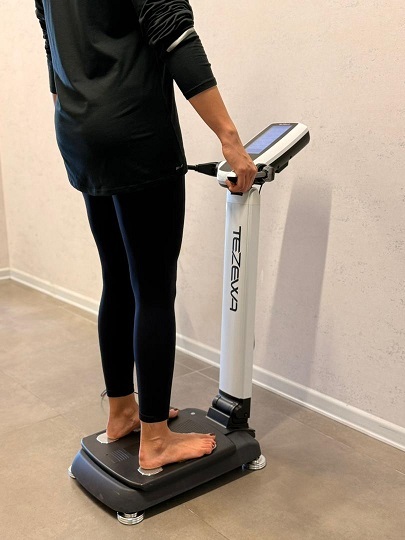
Body Composition Analysis (BIA) is a non-invasive and highly informative test that measures the exact amount of body water, muscle mass, fat, protein, and minerals.
This data provides valuable insight for designing personalized nutrition and exercise programs, helping physicians and rehabilitation specialists track changes in body composition over time.
By repeating the test periodically, patients and specialists can monitor progress and evaluate the effectiveness of diet and training plans — an essential part of injury recovery, weight management, and performance optimization.

Body Composition Analysis (BIA Test)
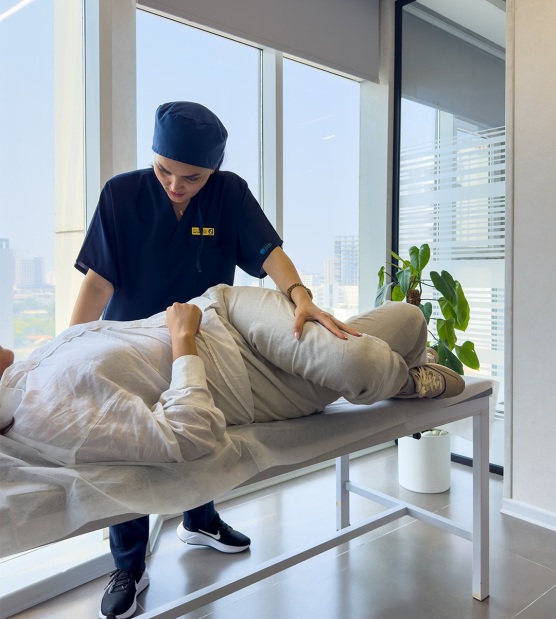
Manipulation therapy is one of the specialized techniques within manual therapy, performed through controlled stretching and rotational movements applied to specific areas of the body with varying pressure and speed.
These precise maneuvers are directed at joints or muscles, including the spine, and are typically performed over one or several sessions.
Manipulation aims to achieve rapid pain relief, restore joint mobility, and improve functional movement within the affected segment.
Because of the technical precision required, manipulation therapy must only be performed by a trained and experienced practitioner.
Improper application by an unqualified individual can lead to serious complications or injury.
Manipulation Therapy (Manual Therapy )

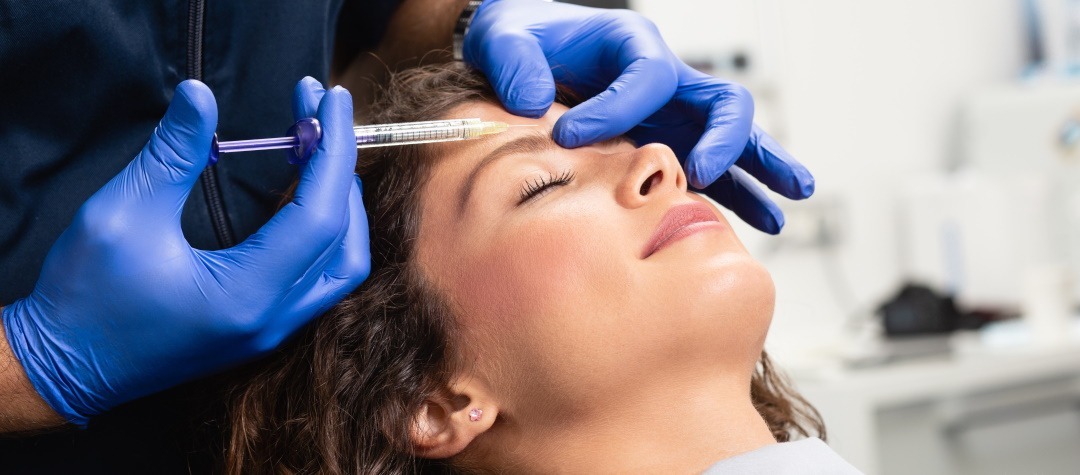
Botulinum toxin is a clinically approved medication widely used across various medical specialties, including aesthetic medicine and musculoskeletal rehabilitation.
Its therapeutic effect works by temporarily blocking nerve signals to muscles, leading to reduced or inhibited muscle activity in the targeted area.
In aesthetic medicine, botulinum toxin injections help reduce facial wrinkles, relax expression lines, and rejuvenate the skin for a smoother, more youthful appearance.
In the field of musculoskeletal and pain medicine, botulinum toxin is effectively used to:
- Reduce muscle pain and spasm
- Relieve joint stiffness and Inflammation
- Alleviate neuropathic pain and chronic migraine
Botulinum Toxin Injection
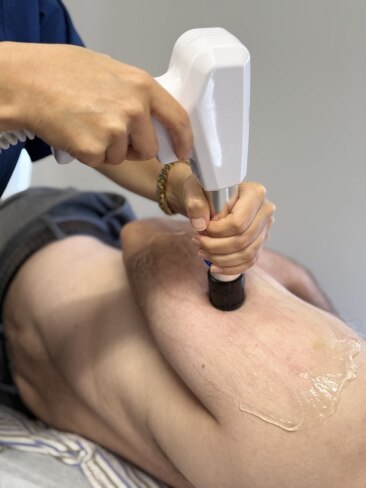
Shockwave Therapy
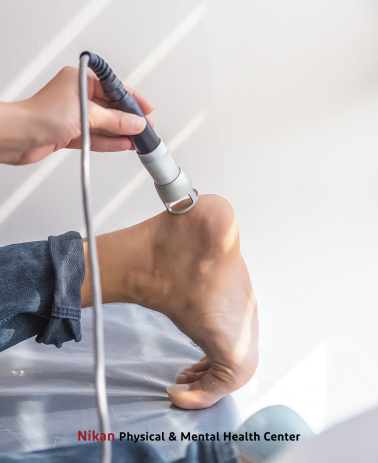
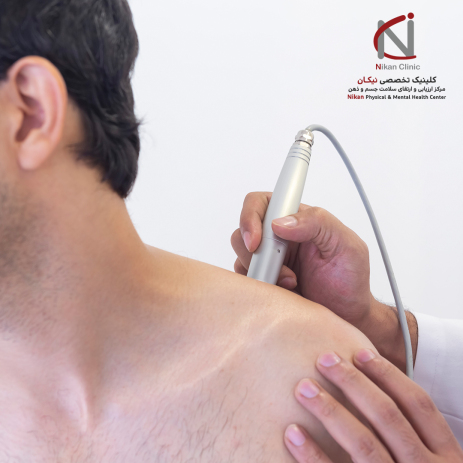
Shockwave therapy is an advanced physiotherapy technique that uses acoustic sound waves to generate mechanical energy within body tissues.
This stimulation enhances blood circulation, cell regeneration, and metabolic activity, making it highly effective in the treatment of a wide range of musculoskeletal injuries and chronic pain conditions.
As one of the most powerful tools in modern physiotherapy, shockwave therapy is used to:
- Promote tendon and ligament healing
- Reduce pain and inflammation
- Break down calcified tissue deposits
- Improve mobility and functional recovery
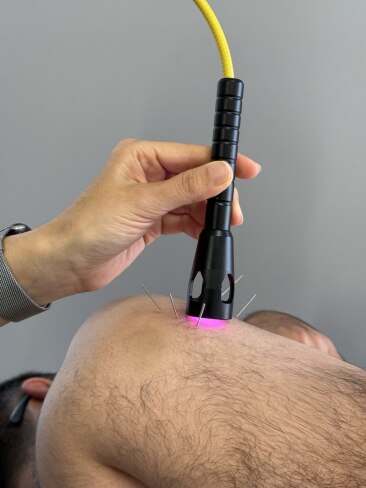
High Power Laser Therapy
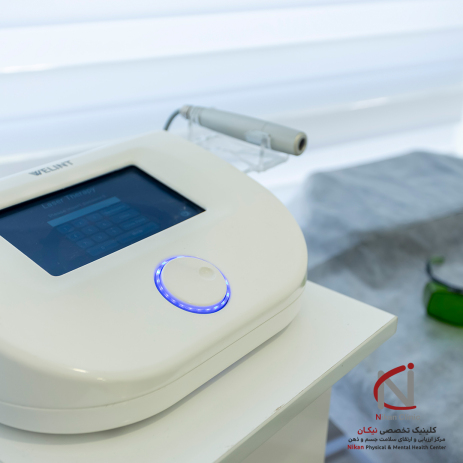
Laser therapy uses a specific wavelength of light energy to stimulate damaged cells and enhance their metabolic and nutritional activity.
This process accelerates tissue repair, reduces inflammation and pain, and promotes healing at the cellular level.
Laser therapy is especially effective in the treatment of musculoskeletal conditions, including:
Lumbar disc herniation (low back pain)
Knee osteoarthritis, Shoulder and neck pain, wrist and joint injuries. Through controlled light exposure, laser therapy supports cell regeneration, improves blood circulation, and restores normal tissue function without the need for invasive procedures.
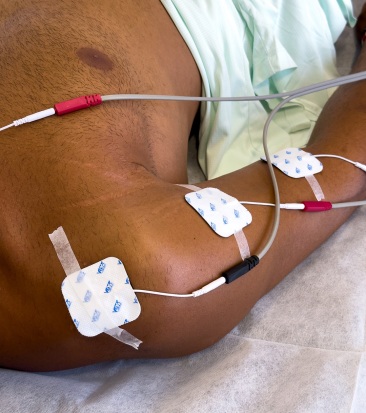
Electrotherapy
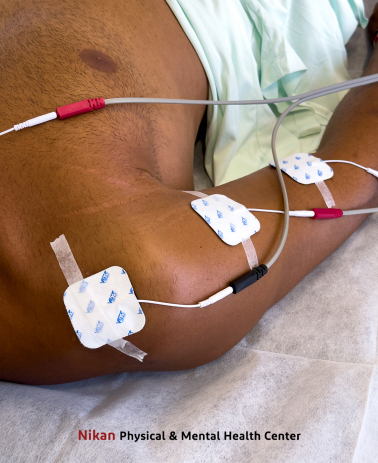
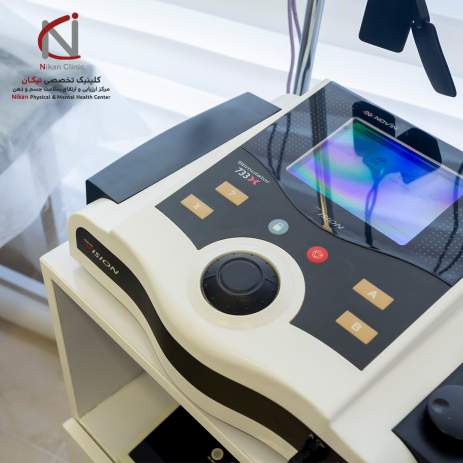
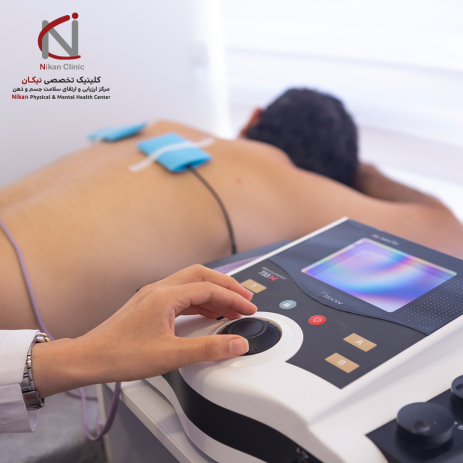
Electrotherapy, or electrical stimulation therapy, is one of the most widely used and effective modalities in rehabilitation and physiotherapy.
It works by delivering controlled electrical impulses to stimulate nerves and muscles, helping to reduce pain, improve muscle function, and accelerate the healing of musculoskeletal injuries.
When applied correctly by trained professionals, electrotherapy is a safe, non-invasive, and highly effective treatment that enhances circulation, reduces inflammation, and supports tissue recovery.
Brain Mapping
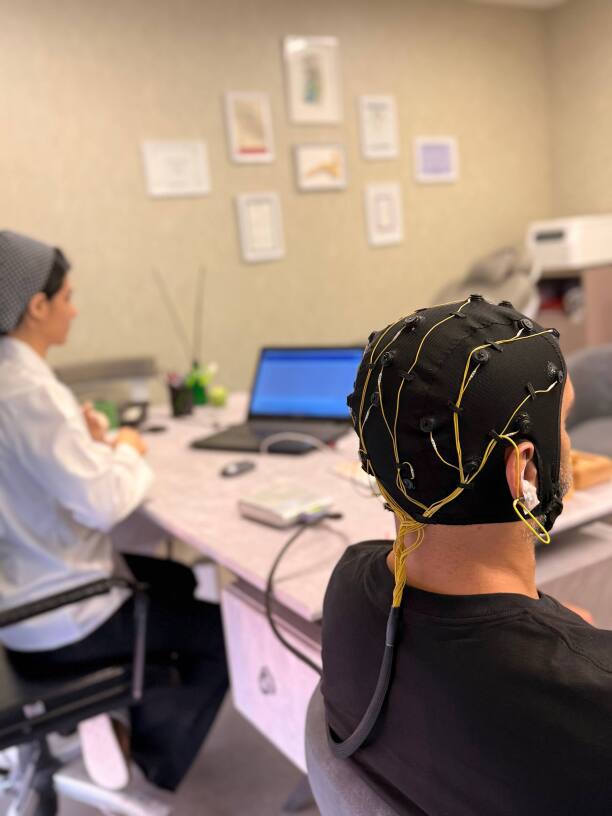
Quantitative Electroencephalography (qEEG), also known as brain mapping, is an advanced form of the traditional EEG (electroencephalography).
During this process, electrical activity recorded from the surface of the scalp is analyzed through signal processing techniques to evaluate the amplitude, frequency, and spatial distribution of brain activity.
The resulting topographical brain map visually represents how different regions of the brain are functioning.
This individual brain map is then compared to a normative database based on age and gender, allowing clinicians to identify functional differences or abnormalities in brain performance.
At Nikan Rehabilitation and Pain Clinic, brain mapping is conducted using the QEEG system and NeuroGuide software to precisely measure and interpret the brain’s electrical patterns.
Based on the analysis results, a personalized neurofeedback protocol is developed to help optimize brain function, improve cognitive performance, and support mental rehabilitation.
Mental Recovery
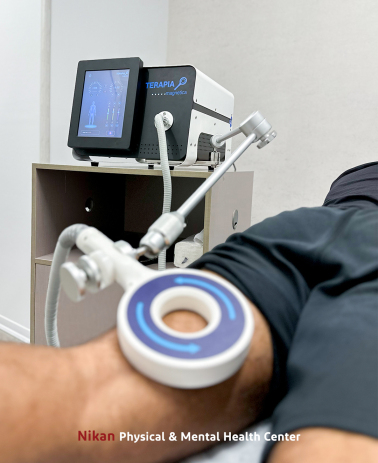
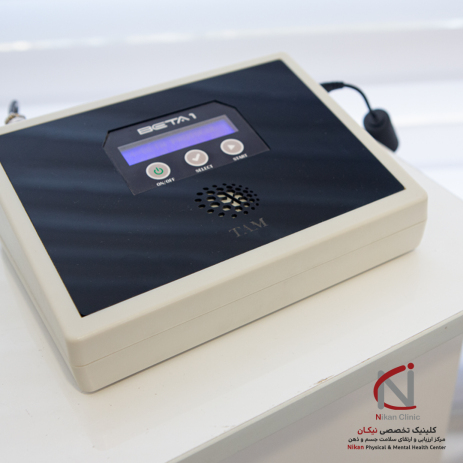
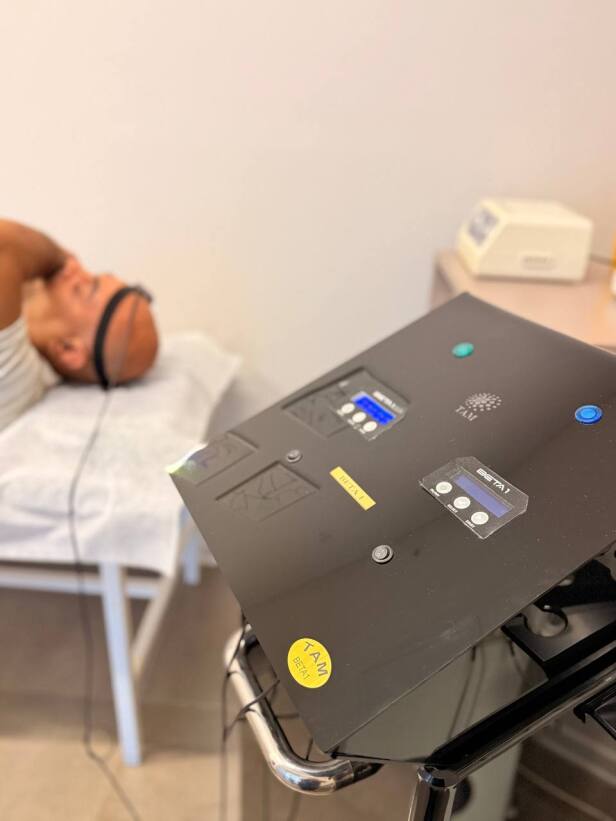
At Nikan Rehabilitation and Pain Clinic, mental recovery therapy is performed using one of the most advanced technologies in the field — the BetaOne magnetic brain stimulation system.
This non-invasive and scientifically proven method, known as repetitive Transcranial Magnetic Stimulation (rTMS), uses magnetic fields to safely and effectively stimulate brain neurons and enhance their functional connectivity.
By applying controlled magnetic pulses to specific brain regions, rTMS can modulate neural activity, helping restore normal brain function and improve communication between neural networks. This advanced technology is clinically used for: Chronic central pain management, Depression and mood disorders,Migraine and headache control,Improving focus, concentration, and learning, Enhancing motor recovery and coordination after neurological injury.
The BetaOne system can influence billions of neurons in real-time, guiding them toward a balanced and normalized activity state.
Each session typically lasts 20–30 minutes, and with repeated treatments, patients often achieve lasting functional and cognitive improvement.
Physical Recovery
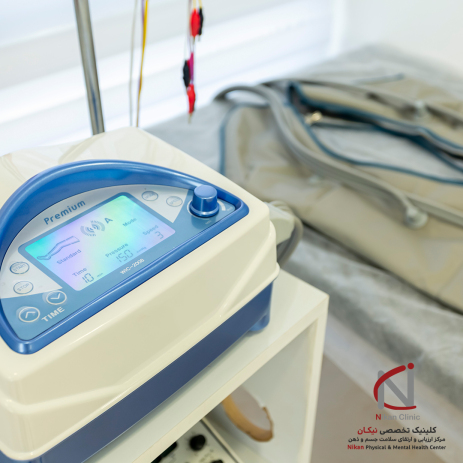
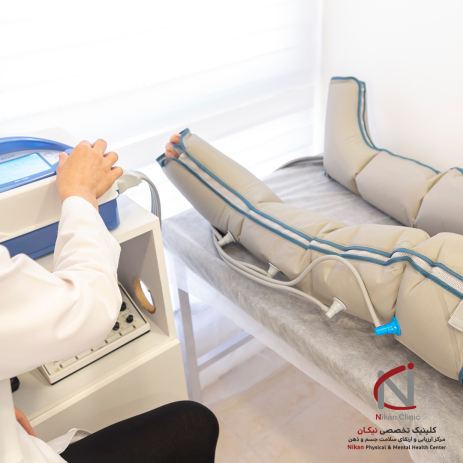
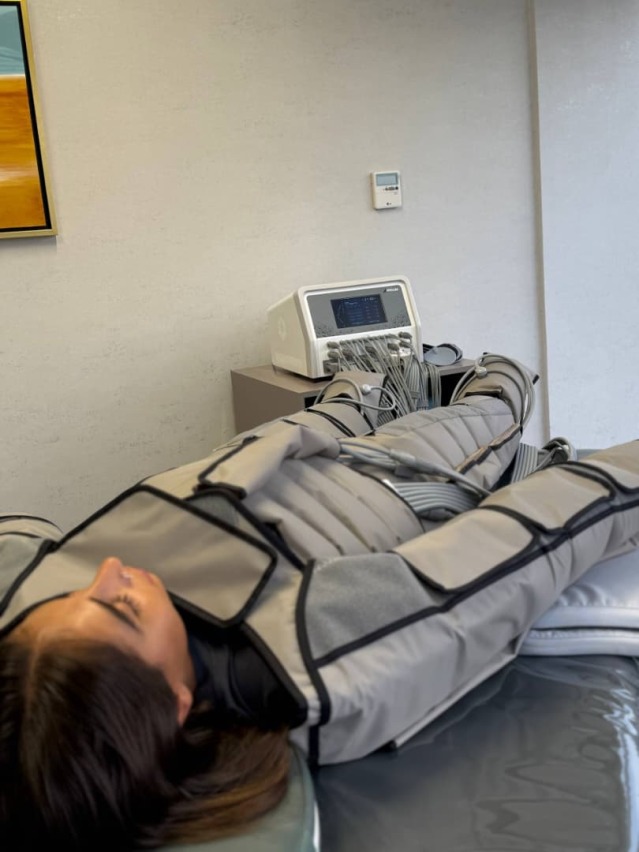
Enhance Physical Recovery with Intermittent Pneumatic Compression (IPC) Therapy
Our advanced compression therapy system utilizes a specialized pneumatic garment that wraps around the affected limb. This sleeve rhythmically inflates and deflates, applying controlled, gradient pressure to the tissues.
This sequential compression action is designed to:
Stimulate Blood Circulation: The varying pressure levels help to improve venous and lymphatic flow, effectively reducing swelling (edema) and promoting healing.
Accelerate Recovery: By enhancing circulation, the body can more efficiently flush out metabolic waste products (toxins) that build up in the muscles, leading to reduced muscle soreness and fatigue.
Restore Muscle Function: The therapy aids in decreasing pain and preventing musculoskeletal injuries, resulting in improved muscle strength and a faster return to activity.
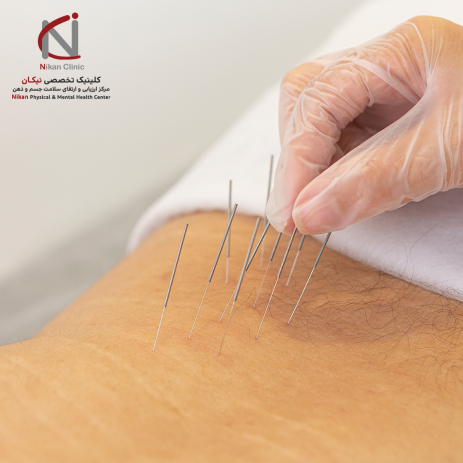
Acupuncture & Dry Needling
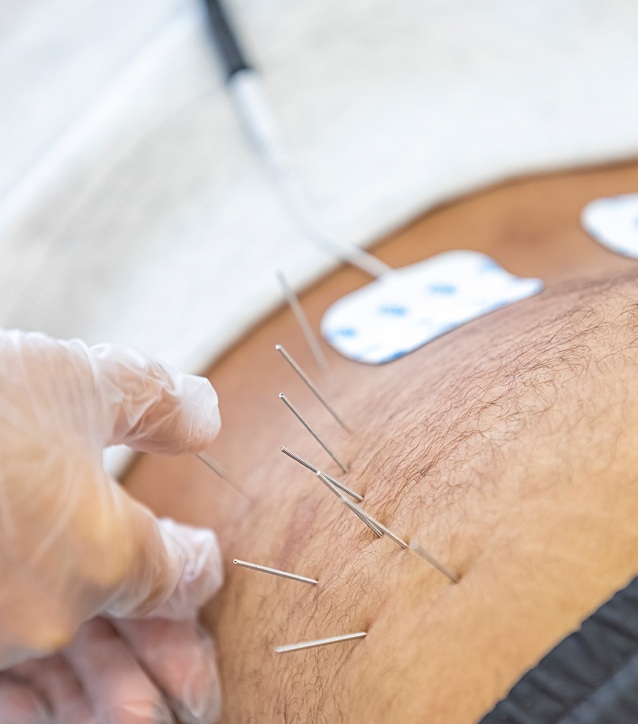
Acupuncture is a therapeutic technique that involves the gentle insertion of ultra-fine, sterile needles into specific points on the body. While Traditional Chinese Medicine (TCM) explains acupuncture's effects by balancing the flow of vital energy, or "Qi" (pronounced "chee"), through pathways known as meridians, modern medicine offers a complementary perspective.
From a contemporary clinical viewpoint, these precise points are seen as strategic locations to stimulate nerves, muscles, and connective tissues. This stimulation is believed to: Boost blood circulation, Activate the body's natural pain-relief systems.
Accelerate the healing process and reduce inflammation.
The most effective treatment outcomes are often achieved by practitioners skilled in integrating both Eastern and Western approaches. By understanding the principles of both TCM and modern neurophysiology, an experienced specialist can create a powerful, personalized treatment plan to effectively manage pain and promote sustainable recovery.
Musculoskeletal Sonography
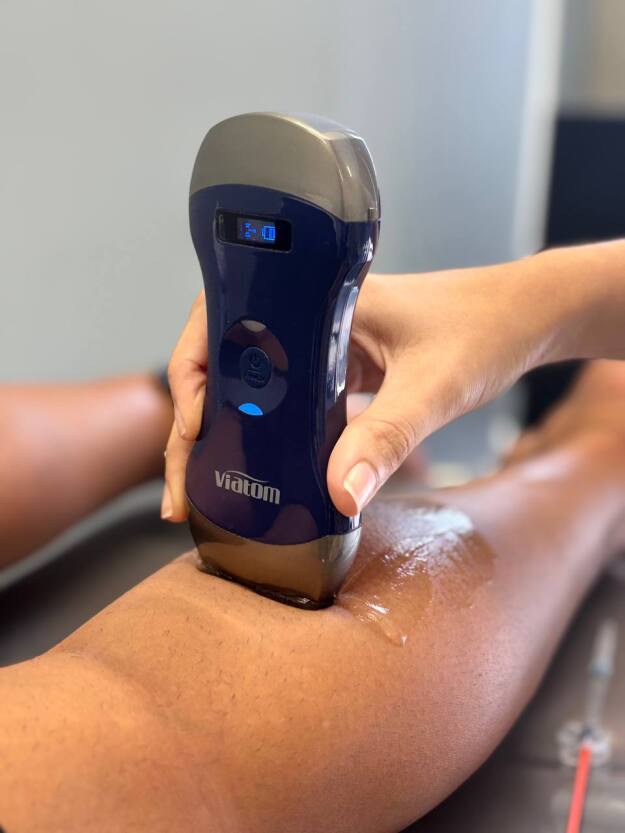
Musculoskeletal ultrasound has become an indispensable, safe, and non-invasive tool in modern physical therapy and rehabilitation clinics. By providing real-time, dynamic imaging of the body's internal structures, this technology has significantly enhanced the accuracy of both diagnosis and treatment.
Key Applications of Musculoskeletal Ultrasound:
Accurate Injury Diagnosis:
Identifying tears in tendons, muscles, and ligaments, assessing nerve compressions and entrapments (e.g., Carpal Tunnel Syndrome), evaluating soft tissue inflammation (e.g., tendinitis, bursitis). Ultrasound-Guided Injections for Precision Therapy:
Performing targeted therapeutic injections (such as corticosteroids, PRP, or Ozone,..) with pinpoint accuracy. Increasing treatment effectiveness and minimizing side effects by ensuring the medication is delivered exactly where it's needed. Monitoring Recovery Progress:
Conducting periodic, objective assessments of tissue healing.
Tracking treatment progress and adjusting rehabilitation plans based on clear visual evidence.
By leveraging the power of diagnostic ultrasound, our specialists at Nikan clinic can diagnose your condition with the highest precision and create the most effective, personalized treatment plan for your recovery.
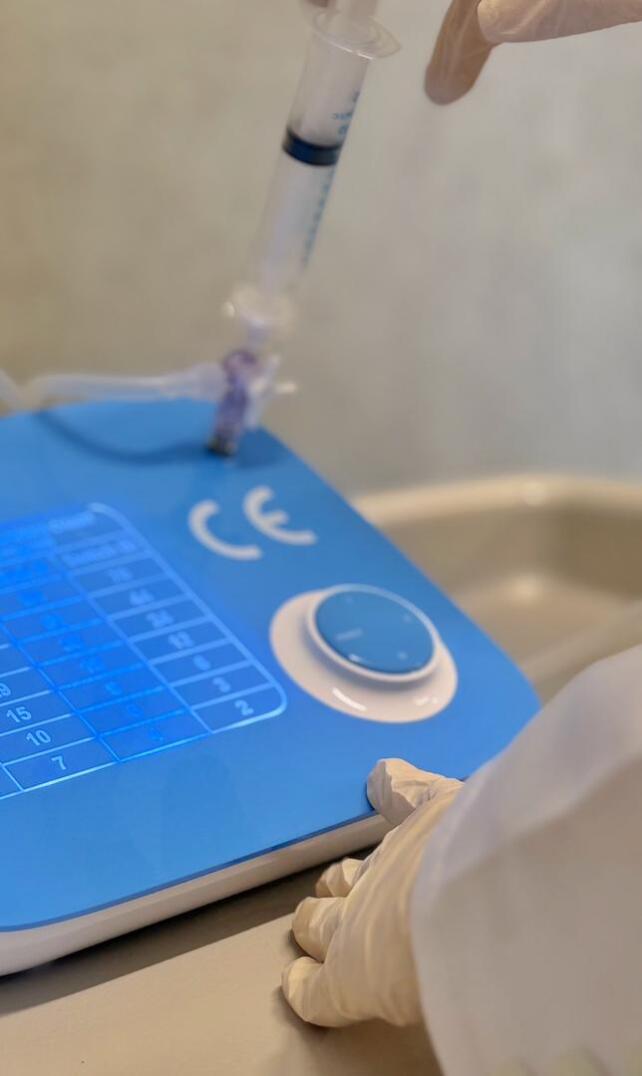
Ozone gas (O₃) is a powerful, natural molecule that converts to oxygen (O₂) after fulfilling its therapeutic role in the body. This unique process activates the body's natural repair mechanisms, delivering the following key benefits:
Enhanced cellular division and tissue regeneration, Significant reduction of inflammation, Accelerated recovery from injuries and damages, Effective Treatment for Musculoskeletal Conditions.
In orthopaedic and rehabilitation medicine, ozone therapy has proven particularly effective for:
Herniated and bulging spinal discs,Osteoarthritis and joint degeneration (knees, hips, shoulders), Tendon and ligament injuries, Chronic spinal pain conditions.
Important Consideration: Like any medical technique, the success of ozone therapy depends on proper patient selection, precise administration by experienced practitioners, and integration into a comprehensive treatment plan. When appropriately applied, ozone therapy can be a powerful tool in restoring your health and improving your quality of life.
Experience the natural healing power of ozone therapy - contact our clinic today to determine if this innovative treatment is right for your condition.
Ozone Therapy
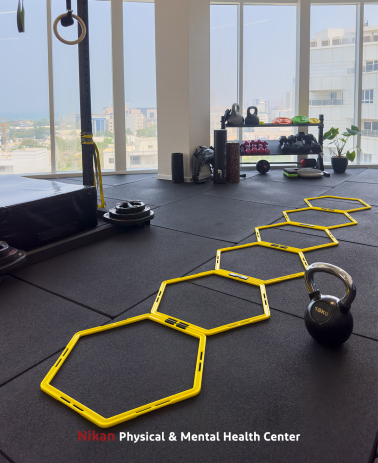
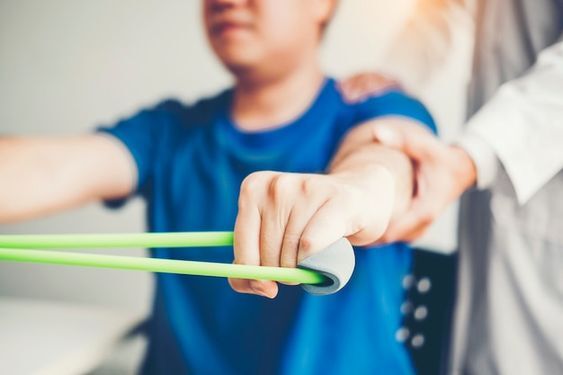
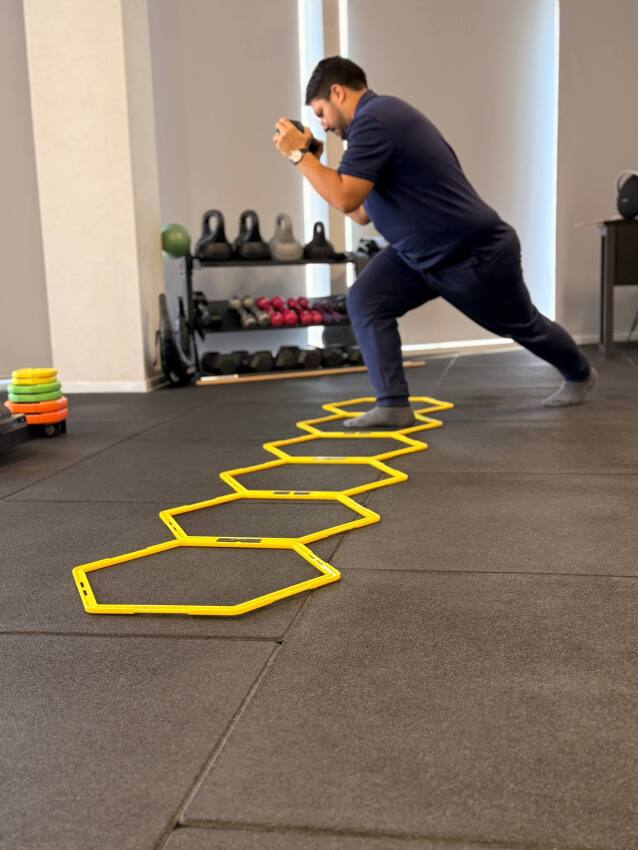
Exercise Therapy
Therapeutic exercise is one of the most fundamental and effective techniques for treating musculoskeletal injuries. In this approach, our specialists leverage their deep understanding of anatomy and the function of joints and muscles to prescribe specific exercises.
The primary goal is to correct faulty body mechanics, which leads to a reduction in pain and a lower risk of future injury.
Safety and Efficacy are Paramount:
It is crucial to understand that while correctly prescribed and consistently performed exercises offer wide-ranging benefits, improper technique or progression can lead to further, sometimes permanent, damage.
Under the expert guidance of our clinicians, therapeutic exercise becomes a powerful, safe, and transformative tool for restoring your function and long-term well-being.
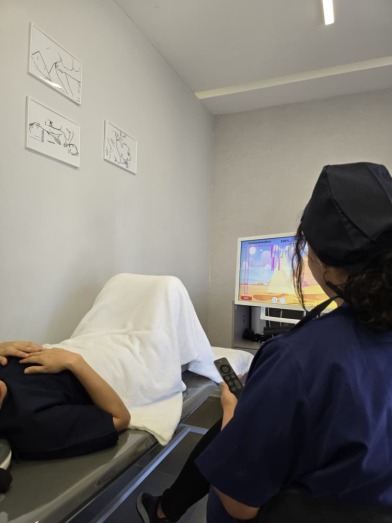
Biofeedback Therapy
Biofeedback therapy is an effective, non-invasive method for monitoring and precisely guiding the activity of muscle fibers, helping improve muscle control and function. Using this device, injured skeletal muscles are retrained, allowing the rehabilitation process to be carried out in a targeted and structured manner.
In this approach, the function of the pelvic floor muscles is displayed to the patient as visual feedback, enabling more accurate learning and correct performance of exercises.
In addition to its application in treating skeletal muscles in various areas such as the spine, shoulder, and knee, biofeedback therapy at Nikan Clinic is used in a specialized manner for the treatment of pelvic floor muscle disorders.
This service, alongside specialized pelvic floor physiotherapy, plays an effective role in managing conditions such as urinary and fecal incontinence, constipation, bladder prolapse, vaginal prolapse, vaginismus, pelvic pain, and postpartum rehabilitation, contributing to improved muscle function and enhanced quality of life.